
Percutaneous nephrolithotomy (PCNL) in Birmingham
CONDITIONS
Written and Medically Reviewed by Mr Ivo Dukic, Consultant Urologist | Last updated: 11/04/2026
Consultant: Mr Ivo Dukic — Consultant Urological Surgeon, University Hospitals Birmingham NHS Foundation Trust
Annual PCNL volume: approximately 50–60 procedures per year (one of the highest volumes in the West Midlands)
Technique: Supine mini PCNL as the standard approach — 70–90% of cases. Thulium fibre laser and suction sheath technology. ECIRS (Endoscopic Combined Intrarenal Surgery is available for complex anatomy).
Hospitals: The Harborne Hospital (HCA Healthcare, Birmingham) · The Priory Hospital (Circle Health, Birmingham), The Spire Parkway Hospital, Solihull.
Appointments: Within 7 days · Secretary: 0121 716 9046 (Mon–Fri, 8am–6pm)
Fee-assured with BUPA, AXA PPP, Aviva, Vitality, WPA, Cigna, AIG and Aetna · Self-pay patients welcome · Surgical pricing discussed transparently at consultation
Considering private PCNL surgery or a second opinion? Call 0121 716 9046 or [book a PCNL consultation].
Understanding Percutaneous Nephrolithotomy (PCNL)
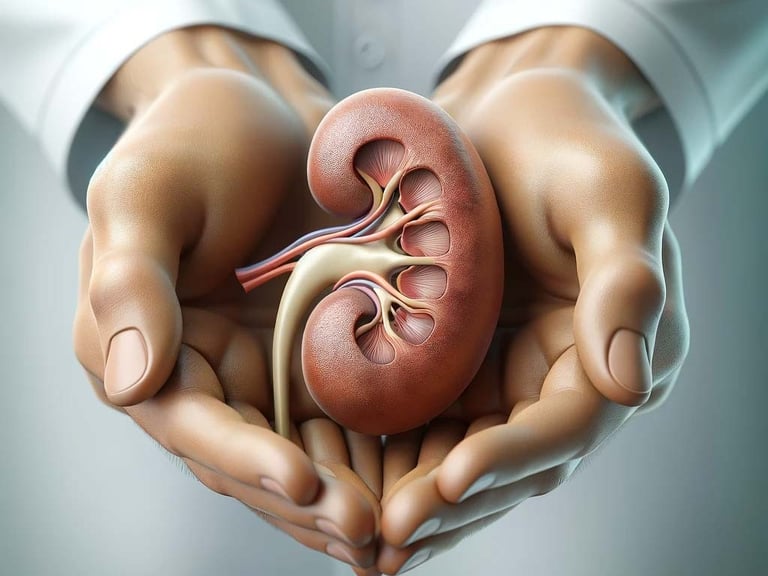
PCNL involves creating a small access channel through the back directly into your kidney using imaging guidance (ultrasound and X-ray). Through this channel, specialised instruments, including cameras, are introduced to visualise, fragment, and remove kidney stones. Compared to open surgery, PCNL has shorter hospital stays, faster recovery times, and less scarring. Many patients stay in hospital for only one to two nights, and some centres now offer day-case PCNL procedures.
When compared to flexible ureterorenoscopy (FURS), PCNL achieves better rates of stone clearance, especially for large or complex stones or stones in the lower part (pole) of the kidney [1,2]. A recent Cochrane systematic review of 42 randomised controlled trials confirmed that PCNL improves stone-free rates compared with FURS, with probably little or no difference in major complications [2].
When Is Private PCNL Surgery Recommended?
Private PCNL surgery in Birmingham is typically recommended for:
Large stones: Stones exceeding 2 cm in diameter, or lower pole stones greater than 1 cm with unfavourable factors for shockwave lithotripsy (SWL), or those resistant to non-surgical treatments. [1,3]
Complexly shaped stones: Stones with intricate branches or in challenging anatomical positions.
Staghorn calculi: Large, branched stones resembling antlers, requiring extensive fragmentation and removal.
Multiple stones: Where multiple stones within the kidney necessitate a comprehensive or combined approach with PCNL and/or flexible ureterorenoscopy.
By choosing private PCNL surgery in Birmingham, patients benefit from rapid access to surgical planning — typically within days of their initial consultation — avoiding the months-long NHS waiting times that increase the risk of stone growth, infection, and kidney damage.
Alternatives to PCNL: How We Choose the Right Approach
Before recommending PCNL, Mr Dukic will weigh up the full range of options based on your specific situation:
Shockwave lithotripsy (ESWL): Focused shock waves break down smaller stones into fragments that your body eliminates naturally. For large stones, this can lead to multiple treatment sessions and incomplete stone clearance.
Flexible ureterorenoscopy (FURS): A thin, flexible scope navigates the ureter to reach and remove smaller stones. Sometimes used at the same time as PCNL to improve overall stone clearance (ECIRS). A recent UK multicentre trial (PUrE RCT 2) showed that PCNL was more effective and more cost-effective than FURS for lower pole stones between 10 and 25 mm. [7]
Further information on these procedures is available through the European Association of Urology and the British Association of Urological Surgeons.
A Revolution in Miniaturisation: Modern PCNL in Birmingham
One of the major advances in private PCNL surgery is the progressive miniaturisation of instruments, which has transformed the procedure's safety and recovery profile. Mr Dukic's practice in Birmingham uses the smallest appropriate access for each patient's stone, combined with Thulium fibre laser technology and suction sheath systems that remove stone dust continuously during surgery — improving clearance rates and reducing operative pressure within the kidney.
Benefits of miniaturised PCNL include:
Reduced pain and scarring: Smaller incisions mean less tissue disruption and faster healing.
Shorter hospital stays: Minimally invasive approaches often lead to quicker discharge, including same-day or overnight procedures.
Reduced blood loss: Meta-analyses confirm that miniaturised PCNL is associated with lower blood loss and transfusion rates compared to standard PCNL. [1,5]
Comparable stone-free rates: Multiple meta-analyses confirm that miniaturised PCNL achieves similar stone-free rates to standard PCNL for appropriately selected patients. [1,5]
Types of Private PCNL Procedures Available in Birmingham
Mr Dukic offers the full range of modern PCNL techniques, selecting the most appropriate approach for each patient's stone burden, anatomy, and clinical situation. All PCNL surgery is performed in the supine position (lying on your back), which allows for safer anaesthesia and enables combined procedures with flexible ureteroscopy where required. The published classification of PCNL techniques is based on the size of the access tract (sheath) used: [5,6]
Supine Standard PCNL
(Tract size greater than 22 Fr / approximately 7 mm) Patients were traditionally operated on in a face-down (prone) position. Performing PCNL in the supine position allows the lungs to work more naturally, making anaesthesia easier, reducing recovery time, and lowering the chance of bowel injury. A large international study of over 5,800 patients across 26 countries confirmed lower patient morbidity with supine PCNL. [4] This access is particularly useful for large staghorn stones, multiple stones, complex kidney anatomy, or infective kidney stones.
Private Mini PCNL in Birmingham
(Tract size 14–22 Fr / approximately 5–7 mm) Mini PCNL uses a smaller access channel, offering reduced blood loss and shorter hospital stays compared to standard PCNL. [1,5] It is particularly suited to stones between 1.5 cm and 4-5 cm, or difficult-to-access kidney stones. The majority of Mr Dukic's PCNL procedures in Birmingham are performed as mini PCNL, using the Thulium fibre laser to dust stones into fine particles and suction sheaths to remove debris continuously during surgery.
Super Mini / Ultra-Mini PCNL
(Tract size 10–14 Fr / approximately 3–5 mm) The smallest access, minimising pain, scarring, and blood loss significantly. [5] Suitable for smaller stones or those in locations that are difficult to access via flexible ureteroscopy — particularly lower pole stones.
Endoscopic Combined Intrarenal Surgery (ECIRS)
A combined approach using simultaneous PCNL and flexible ureteroscopy is typically performed by two surgeons working together. This enables stone fragments in multiple positions within the kidney to be manipulated and removed through the PCNL channel, and is particularly valuable for complex or staghorn stone burdens.
Risks of PCNL Surgery
Whilst minimally invasive, PCNL carries potential risks, including:
Mild bleeding into your urine is expected in virtually all patients undergoing PCNL.
Stent, nephrostomy, or catheter: Most patients are left with a ureteric stent to allow the kidney to drain following the procedure, typically for 3–5 days, removed using attached strings outside the urethra. Over 90% of patients under Mr Dukic's care are left with a stent or nephrostomy. Some patients also require a catheter, depending on the intraoperative findings.
Incomplete stone clearance: The likelihood of clearing all stone varies with stone volume, kidney anatomy, and patient factors. Stone-free status is assessed on CT scan 2–3 months after surgery.
Stone recurrence: Approximately 50% of patients experience stone recurrence within 5 years. [8,9]
Bleeding: Blood transfusion is required in approximately 5–10% of standard PCNL cases, and less frequently with miniaturised techniques. [1,5,10] Significant bleeding may rarely require embolisation or, very rarely, open surgery.
Infection: Post-operative infections occur and are usually treated with antibiotics. Serious infections, including sepsis, occur in less than 5% of cases but are more frequent with large or infective stones and in women. Staghorn calculi, Gram-negative bacteria in the urine, and female sex are independent risk factors. [11]
Kidney injury: Minor damage to the kidney during the procedure is a potential risk, including the very rare possibility of kidney failure.
Urine leakage: Usually, temporary leakage from the access site.
Failure to gain access: Occurs in approximately 1 in 50 patients. Alternative approaches will be discussed if this occurs.
Injury to nearby organs: Although rare, this can include puncturing the space around the lungs, or injury to the bowel, spleen, or liver. Serious organ injury can be life-threatening.
Further patient information is available via the British Association of Urological Surgeons PCNL leaflet and the European Association of Urology.
Choosing the Right Approach: What to Expect at Your Private PCNL Consultation in Birmingham
Your urological surgeon will consider your stone size, location, and individual medical history to guide you towards the most suitable treatment. Open communication and discussing your concerns are central to making an informed decision.
Almost all PCNL procedures at our Birmingham clinics are performed in the modern supine position, with approximately 70–90% of patients undergoing mini-PCNL or ultra-mini-PCNL. We use the latest Thulium fibre laser and suction sheath technology to improve stone clearance rates, and we regularly audit our stone-free and complication rates — which we are happy to discuss with you for your specific stone type and burden.
Private PCNL Costs and Insurance
An initial consultation with Mr Dukic is £300 (30 minutes). Surgical costs for PCNL vary depending on stone complexity and the hospital facility; a personalised quote is provided at your consultation once the appropriate procedure has been determined.
Mr Dukic is fully fee-assured with all major UK health insurers:
BUPA · AXA · Aviva · Vitality · WPA · Cigna · AIG · Aetna
Self-paying patients are warmly welcomed. Contact us to discuss costs and financing options before your appointment.
📞 0121 716 9046 (Monday–Friday, 8am–6pm)
Beyond the Procedure: Long-Term Stone Management
Successful stone management extends beyond surgery itself:
Hydration: Aim for 2.5–3 litres of water daily to prevent or delay further stone formation.
Dietary modifications: Minimise stone-forming foods such as animal protein and oxalates, tailored to your stone type.
Scheduled check-ups: Post-operative CT KUB scan at 2–3 months to confirm stone-free status, with further follow-up as appropriate.
After surgery: If you experience ongoing pain, urinary tract infections, or blood in the urine following PCNL, contact us promptly so that further imaging can be arranged.
Why Patients Choose Mr Dukic for Private PCNL Surgery in Birmingham
Mr Ivo Dukic is one of the UK's premier kidney stone specialists, offering private PCNL surgery in Birmingham at The Harborne Hospital (HCA Healthcare), The Priory Hospital (Edgbaston, Circle Health Group), Spire Parkway Hospital (Solihull), and Droitwich Spa Hospital (Worcestershire). He treats patients from across Birmingham, Edgbaston, Harborne, Solihull, the West Midlands, and nationally.
Expert in Complex Kidney Stone Surgery
Mr Dukic possesses the specialist skill required to manage large, complex, and recurrent kidney stones — including staghorn calculi, multiple stones, and stones in challenging anatomical positions — that other surgeons may not be equipped to treat.
High-Volume PCNL Surgeon in Birmingham
As one of the highest-volume PCNL surgeons in the UK, Mr Dukic performs a significant number of PCNL procedures annually — a key and evidence-based indicator of surgical proficiency, and one of the primary reasons patients travel from across the UK to be treated in Birmingham.
Pioneer in Minimally Invasive PCNL
Mr Dukic utilises the most advanced techniques, including supine PCNL, mini PCNL, and ultra-mini PCNL, combined with Thulium fibre laser and suction sheath technology, to maximise stone clearance while minimising recovery time and surgical risk.
Accessible Across Birmingham and the West Midlands
Clinics at The Harborne Hospital (Birmingham), The Priory Hospital (Edgbaston), Spire Parkway Hospital (Solihull), and Droitwich Spa Hospital (Worcestershire). National and international referrals accepted for complex stone disease. Appointments available within 7 days.
Rapid Access for Patients with Urgent Needs
Whether you are on a lengthy NHS waiting list, struggling with the symptoms of an indwelling ureteric stent, experiencing recurrent infections, or dealing with ongoing pain or bleeding related to a large kidney stone, Mr Dukic provides rapid-access private PCNL surgery in Birmingham — with consultations typically within 7 days and surgical slots available to discuss at your appointment.
You can book a consultation through Top Doctors, The Harborne Hospital (HCA Healthcare), The Priory Hospital, Edgbaston (Circle Health Group), or Droitwich Spa Hospital (Circle Health) or Spire Parkway, Solihull.
Further Resources
Information leaflet from the British Association of Urological Surgeons on PCNL
European Association of Urology — patient information on PCNL
Further links
Frequently Asked Questions About Private PCNL in Birmingham
What is the difference between standard PCNL and mini PCNL?
Standard PCNL uses an access channel of approximately 24–30 French (roughly thumb-width). Mini PCNL uses a smaller access of 14–20 French (roughly pencil-width). The smaller access of mini PCNL results in less blood loss, less post-operative pain, and a shorter hospital stay — typically one night rather than two — while achieving equivalent stone-free rates for most stone sizes. Approximately 70–80% of Mr Dukic's PCNL procedures are performed as mini PCNL.
How long will I be in hospital after PCNL?
Most patients undergoing mini PCNL at Mr Dukic's practice stay for one night and go home the following day. A small number of straightforward cases are completed as day cases. Larger or more complex stone burdens may require a two-night stay.
When will my ureteric stent be removed after PCNL?
The stent placed at the end of PCNL is typically removed 3–5 days after surgery. In most cases, Mr Dukic uses stents with attached strings that allow removal at home or by a nurse, without requiring a further visit to the endoscopy suite.
How will I know if the PCNL worked?
A CT KUB scan is arranged approximately 2–3 months after surgery to confirm stone clearance. Mr Dukic audits his stone-free rates and will discuss the realistic expected outcome for your specific stone size, composition and kidney anatomy at your pre-operative consultation.
Can PCNL be done if I've had previous kidney surgery?
Previous kidney surgery does not automatically preclude PCNL, but it may affect the technical approach. Mr Dukic will review your imaging and surgical history at the consultation and advise on feasibility and any modifications required to the standard technique.
Is PCNL available privately if I'm already on an NHS waiting list?
Yes. Having a private PCNL does not affect your position on any NHS waiting list. Many patients choose to proceed privately to avoid waiting, then cancel their NHS listing once their stone has been treated.
How much does private PCNL surgery cost in Birmingham?
Surgical fees for PCNL depend on the treating hospital, the complexity of your stone, and your insurance status. Mr Dukic is fully fee-assured with BUPA, AXA PPP, Aviva, Vitality, WPA, Cigna, AIG and Aetna. Self-pay pricing is discussed transparently at your initial consultation (£300). For a broad indication of self-pay surgical costs, general UK self-pay private PCNL pricing ranges from approximately £9,000–£14,000, depending on complexity and hospital — your specific quote is confirmed in writing before you commit to surgery.
Do I need a referral for a private PCNL consultation?
No. You can self-refer by calling 0121 716 9046 or booking online. If you have existing imaging (CT KUB, CT urogram) or a referral letter from your GP or NHS urologist, please bring these — they help ensure your consultation is as productive as possible.
References
Skolarikos A, Geraghty R, Somani B, et al. European Association of Urology guidelines on the diagnosis and treatment of urolithiasis. Eur Urol. 2025;88(1):64–75.
Soderberg L, Gajic I, Jeppson A, et al. Percutaneous nephrolithotomy versus retrograde intrarenal surgery for treatment of renal stones in adults. Cochrane Database Syst Rev. 2023.
Türk C, Petrik A, Sarica K, et al. EAU guidelines on interventional treatment for urolithiasis. Eur Urol. 2016;69(3):475–82.
de la Rosette J, Assimos D, Desai M, et al. The Clinical Research Office of the Endourological Society Percutaneous Nephrolithotomy Global Study: indications, complications, and outcomes in 5803 patients. J Endourol. 2011;25:11–17.
Ruhayel Y, Ömerbegović M, Walcher U, et al. Tract sizes in miniaturised percutaneous nephrolithotomy: a systematic review from the European Association of Urology Urolithiasis Guidelines Panel. Eur Urol. 2017;72(1):32–43.
Helal M, Black T, Snodgrass W, et al. The Hickman peel-away sheath: alternative for pediatric percutaneous nephrolithotomy. J Endourol. 1997;11(3):171–2.
PUrE RCT 2 Investigators. Clinical and cost effectiveness of flexible ureterorenoscopy and percutaneous nephrolithotomy for lower-pole stones of 10–25 mm. Eur Urol Focus. 2025;11(5):684–94.
Ziemba JB, Matlaga BR. Epidemiology and economics of nephrolithiasis. Investig Clin Urol. 2017;58(5):299–306.
Kittanamongkolchai W, Joshi D, Flowers SA, et al. Risk of kidney stone recurrence after the first and subsequent episodes. Mayo Clin Proc. 2022;97(8):1421–9.
Falahatkar S, Moghaddam AA, Kamranmanesh M, et al. Decreasing the complications of PCNL with alternative techniques. Pak J Med Sci. 2009;25(3):353–8.
Wang S, Zhang Y, Zhang X, et al. Risk factors for systemic inflammatory response syndrome after percutaneous nephrolithotomy. Prog Urol. 2018;28(11):582–8.

Have any questions?


If you have any questions or wish to make an appointment please get in contact.
Ivo Dukic
Contacts
e-mail: admin@ivodukic.co.uk
Telephone number for private patients:
0121 716 9046
(Mondays to Fridays 0800 - 18:00)
For NHS patients seen at University Hospitals Birmingham NHS Hospitals please get in contact on
0121 424 9011
(Mondays to Fridays 0900 - 17:00)
ivodukic.co.uk
© 2026 UrolSurg LTD · Privacy policy


GMC 6103172
BSc MBChB PG Cert FRCSEd (Urol)