
Preventing kidney stones with smart habits and smart technology
Tips on staying hydrated with smart habits and smart technology.
TECHNOLOGY IN UROLOGYURINARY STONE DISEASE
Ivo Dukic, Consultant Urological Surgeon
3/27/20246 min read
Written and Medically Reviewed by Mr Ivo Dukic, Consultant Urologist | Last updated: 5/04/2026
Kidney stones are excruciatingly painful and can significantly disrupt your daily life. If you've had a brush with them, you know how important prevention is. The lifetime risk of developing kidney stones is around 10–15%, and without action, roughly half of people who have had a stone will form another within 10 years. (1) A urologist can create a personalised plan to stop kidney stones before they start.
This article explores key strategies to prevent kidney stones, including the surprising role a smart water bottle can play. However, the most effective approach involves consulting a urologist who will assess your unique risk factors and recommend the best course of action.
Staying Hydrated is Crucial
The cornerstone of kidney stone prevention is staying adequately hydrated. NICE guidelines recommend that adults drink 2.5 to 3 litres of water per day, spread throughout the day.(2) The aim is to pass at least 2.5 litres of urine; so on hot days, or if you exercise heavily, you may need to drink up to 1 or 2 litres more than this. Dilute urine prevents stone-forming minerals from clumping and crystallising — and increased fluid intake has been shown to decrease stone recurrence by at least half. (3)
A simple way to check your hydration: aim for pale straw coloured urine. Dark yellow or amber urine is a sign you need to drink more.
Avoid carbonated drinks (particularly colas acidified with phosphoric acid), as evidence suggests they are associated with a higher risk of stone recurrence. (2) Tea and coffee are fine in moderation.(4)
Simple Ways to Increase Your Fluid Intake
Reusable Water Bottle
A bottle you enjoy using makes it much easier to drink consistently throughout the day. Look for one that is large enough to hold at least 1 litre, easy to carry, and simple to clean.
Transform Your Bottle into a Hydration Coach
Mark water levels with stickers or use a bottle that already has goal markers printed on it. Alternatively, set smartphone alarms at regular intervals — for example, every hour — to remind you to drink.
Use a Water Hydration App
Dedicated hydration reminder apps can log your intake and send notifications. Many are free and available on both iOS and Android. We have reviewed the 6 best hydration apps — read our full review.
Use a Smart Reminder Device
Devices such as the Ulla Smart Light for Hydration can be attached to any standard water bottle. They light up to remind you to drink at least once per hour, requiring no charging or app pairing.
Can Smart Water Bottles Help?
Smart water bottles take hydration to the next level with features like:
Automatic Tracking
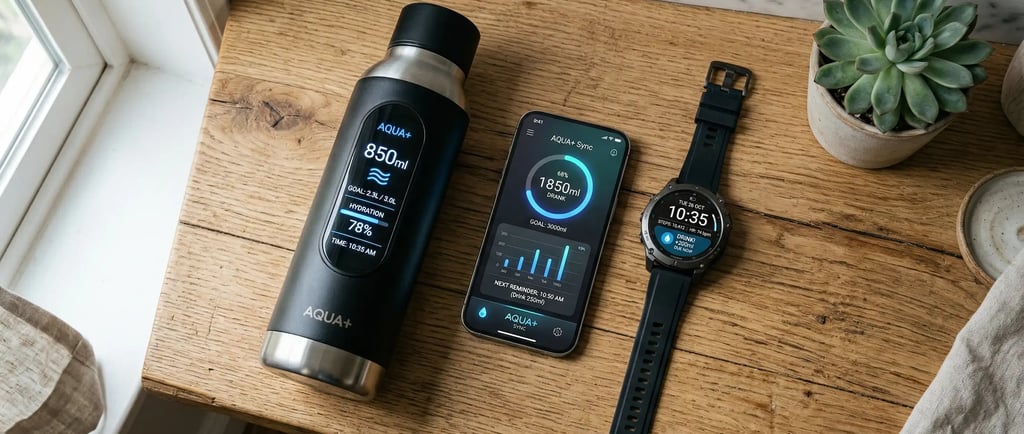
These high-tech bottles sync with apps to log your intake effortlessly without any manual entry. Options such as the Hidrate Spark 3 or Hidrate Spark Pro connect to your phone and remind you to drink with a gentle glow when you fall behind on your hydration goals.
Temperature Sensors
Some models monitor water temperature, alerting you before your drink becomes lukewarm — a common reason people stop sipping.
What the Evidence Says
A randomised trial by Stout et al. demonstrated that stone formers using a smart water bottle significantly increased their urine output compared to those receiving standard advice alone, supporting their use as an adjunct to conventional hydration counselling.(5) These bottles may be particularly helpful for people who struggle to remember to drink enough fluids throughout the day.
Although smart hydration devices have shown clinical promise, they do come with practical considerations, including cost, the need for regular charging, and potential data privacy concerns. Discuss with your urologist whether a smart bottle, a standard marked bottle, or a reminder app is most suited to your lifestyle.
More Than Just Water: What to Eat to Prevent Kidney Stones
Hydration works best alongside a kidney-stone-friendly diet. Further advice is available through BBC Good Foods through an interview with Mr Dukic. NICE guidelines recommend the following for adults. (2)
Salt
Keep your daily salt intake below 6 g (about one teaspoon). A high-salt diet increases the amount of calcium excreted in the urine, which raises the risk of calcium-based stones.(4)
Calcium
Do not restrict your calcium intake — this is a common misconception. Maintaining a normal calcium intake of 700–1,200 mg per day is recommended. Dietary calcium actually binds to oxalate in the gut, preventing it from being absorbed and excreted in the urine.(2)(6) Calcium supplements, however, should only be taken on medical advice, as they may increase stone risk if not taken with meals.
Animal Protein
Avoid excessive animal protein (red meat, poultry, fish, eggs). A high-protein diet acidifies urine and promotes excretion of calcium and uric acid — both of which increase stone risk.(4)(7)
Lemon Juice
Adding fresh lemon juice to your water is recommended by NICE.(2) Lemon juice is high in citrate, which raises citrate levels in urine. Citrate inhibits stone formation by binding calcium and preventing it from crystallising.(8) Squeeze half a lemon into a large glass of water, two to three times a day.
Oxalate-Rich Foods
If you form calcium oxalate stones specifically, your urologist may advise you to moderate high-oxalate foods such as spinach, nuts, rhubarb, and strong tea. However, blanket restriction of oxalate is not recommended without evidence of elevated urinary oxalate levels.(9)
Maintain a Healthy Weight
Obesity is closely linked to stone formation. Following a balanced diet and maintaining a healthy body weight helps reduce overall stone risk.(2)(4)
Who is at higher risk of stones coming back?
Certain people are more likely to form further stones and should be particularly diligent with prevention.(4) These include:
- People who formed their first stone before the age of 25
- Those with a strong family history of kidney stones
- People with recurrent stones (two or more episodes)
- Those with conditions such as inflammatory bowel disease, gout, or type 2 diabetes
- People with only one functioning kidney
If you fall into one of these groups, your urologist may arrange additional blood and urine tests to identify a specific metabolic cause, which can then be directly treated.(2)
When Lifestyle Changes Are Not Enough
If dietary and fluid measures do not adequately reduce stone recurrence, your urologist or nephrologist may consider medication options with you. Options include:(2)(3)
- Potassium citrate — recommended for adults with recurrent calcium oxalate stones, to raise urinary citrate and pH or those with uric acid stones.
- Thiazide diuretics — may reduce urinary calcium in people with hypercalciuria
- Allopurinol — used for uric acid stones or high urinary uric acid levels
Any pharmacological treatment should always be tailored to your individual stone type and metabolic profile by a specialist.
Kidney stones are excruciatingly painful and can significantly disrupt your daily life. If you've had a brush with them, you know how important prevention is. A urologist can create a personalized plan to stop kidney stones before they start.
This article explores key strategies to prevent kidney stones, including the surprising role a smart water bottle can play. However, the most effective approach involves consulting a urologist who will assess your unique risk factors and recommend the best course of action.
Additional Tips to Prevent Kidney Stones:
Dietary Adjustments: A urologist can create a personalised diet plan that limits salty foods, animal protein, and oxalate-rich foods (spinach, chocolate).
Ditch Sugary Drinks: They dehydrate you and contribute to stone formation. Stick to water, unsweetened tea, or diluted fruit juices.
Move Your Body: Regular exercise promotes kidney health. Aim for at least 30 minutes of moderate-intensity exercise most days.
See a Urologist Regularly: Schedule consultations to discuss your risk factors and preventive measures. They can recommend medications or supplements if needed
By following these tips and consulting a urologist, you can significantly reduce your risk of kidney stones. Remember, consistency and changing habits long-term is the key to long-term prevention of urinary stone disease!
Let a urologist help you develop a personalised plan and empower yourself to live a more stone-free life.
Mr Ivo Dukic is an experienced consultant urologist who offers personalised consultations in Birmingham, United Kingdom. Schedule an appointment with him for expert, bespoke advice through his Top Doctors profile or book an appointment through Harborne Hospital, HCA Healthcare, the Priory Hospital, Edgbaston, Circle Health Group or Droitwich Spa, Circle Health.
References
1. Turney BW, Reynard JM, Noble JG, Keoghane SR. Trends in urological stone disease. BJU Int. 2012;109(7):1082–7.
2. National Institute for Health and Care Excellence. Renal and ureteric stones: assessment and management. NICE guideline NG118. London: NICE; 2019. Available from: https://www.nice.org.uk/guidance/ng118
3. Fink HA, Wilt TJ, Eidman KE, Garimella PS, MacDonald R, Rutks IR, et al. Medical management to prevent recurrent nephrolithiasis in adults: a systematic review for an American College of Physicians clinical guideline. Ann Intern Med. 2013;158(7):535–43.
4. Turney BW. Kidney stone disease: an update on its management in primary care. Br J Gen Pract. 2020;70(693):205–6.
5. Stout TE, Lingeman JE, Krambeck AE, Humphreys MR, Zisman A, Elfering S, et al. A randomized trial evaluating the use of a smart water bottle to increase fluid intake in stone formers. J Ren Nutr. 2022;32(4):389–95.
6. Borghi L, Schianchi T, Meschi T, Guerra A, Allegri F, Maggiore U, et al. Comparison of two diets for the prevention of recurrent stones in idiopathic hypercalciuria. N Engl J Med. 2002;346(2):77–84.
7. Skolarikos A, Straub M, Knoll T, Sarica K, Seitz C, Petřík A, et al. Metabolic evaluation and recurrence prevention for urinary stone patients: EAU guidelines. Eur Urol. 2015;67(4):750–63.
8. Prezioso D, Strazzullo P, Lotti T, Bianchi G, Borghi L, Caione P, et al. Dietary treatment of urinary risk factors for renal stone formation. Arch Ital Urol Androl. 2015;87(2):105–20.
9. Alberta Health Services. Nutrition guideline: kidney stones. Edmonton: AHS; revised 2024. Available from: https://www.albertahealthservices.ca/assets/info/nutrition/if-nfs-ng-kidney-stones.pdf
Ivo Dukic
Contacts
e-mail: admin@ivodukic.co.uk
Telephone number for private patients:
0121 716 9046
(Mondays to Fridays 0800 - 18:00)
For NHS patients seen at University Hospitals Birmingham NHS Hospitals please get in contact on
0121 424 9011
(Mondays to Fridays 0900 - 17:00)
ivodukic.co.uk
© 2026 UrolSurg LTD


GMC 6103172
BSc MBChB PG Cert FRCSEd (Urol)